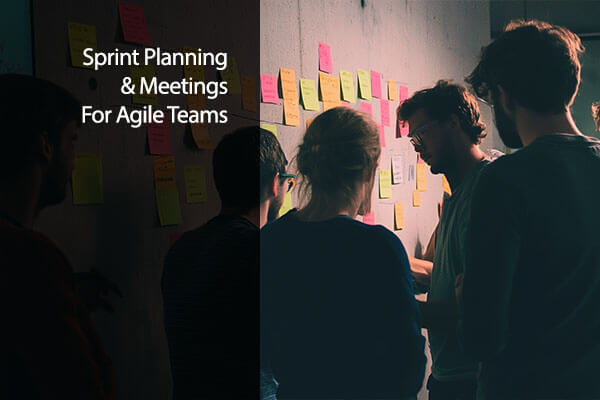
This course focuses on the foundational elements of facilitating and managing sprint meetings across all stages of Agile project execution. Participants learn how to structure and prepare sprint planning sessions, assess backlog readiness, establish sprint goals, and coordinate workloads. Each section highlights best practices for Agile meetings, enabling teams to stay synchronized and operate with clarity and intention.
Core learning areas include:
Understanding the full sprint lifecycle in Scrum and Agile environments
Applying structured approaches to organize and run sprint planning meetings
Managing team responsibilities and communication dynamics
Facilitating effective daily standups, reviews, and retrospectives
Preventing and resolving standard sprint meeting challenges and anti-patterns
Applying Agile facilitation methods suited for both co-located and remote teams
Strengthening team continuity and promoting continuous improvement practices
This course is suitable for Agile professionals at all levels, including Scrum Masters, Product Owners, Agile Coaches, project managers, and technical contributors seeking to refine their Agile facilitation skills.
Who Will Benefit
Scrum Masters
Project Managers
Agile Coaches
Product Owners
Software Development Team Members
IT leaders preparing for CSM or PMI-ACP certifications
Related Job Titles and Certifications
Scrum Master
Agile Project Manager
Agile Coach
Product Owner
Project Coordinator
Certified ScrumMaster (CSM)
PMI Agile Certified Practitioner (PMI-ACP)
Included in This Course
Structured guidance on sprint planning frameworks
Facilitation best practices for all Agile meetings
Real-world case examples and scenario-based explanations
Sprint meeting templates and reference models
Practical guidance for remote and hybrid Agile teams
Tools for identifying and resolving sprint ceremony anti-patterns
Continuous improvement and communication strategies
Sprint Planning & Meetings for Agile Teams: A Practical Guide for High-Performing Agile Environments
The landscape of Agile project management depends heavily on the quality and consistency of sprint ceremonies. The Sprint Planning & Meetings for Agile Teams course provides essential knowledge and structured techniques to help Agile professionals strengthen team collaboration, enhance communication, and maintain predictable delivery outcomes. Sprint planning and Agile meetings are central components of the Scrum framework, serving as the primary touchpoints where teams coordinate, adjust, and enhance their performance. The value of this course lies in its focus on practical execution, enabling participants to gain clarity on how each meeting contributes to overall project success.
Building the Foundation for Effective Sprint Planning
Sprint planning stands at the beginning of every sprint and sets the tone for how teams perform during the iteration. A well-organized planning session ensures clarity around the sprint goal, alignment on priorities, and mutual understanding of capacity. In Agile environments where rapid change and evolving requirements are common, establishing a stable planning process helps teams maintain focus and deliver consistent value.
This course emphasizes several foundational aspects of sprint planning:
Backlog readiness – Ensuring that the Product Backlog is refined and prioritized before entering the planning session
Capacity assessment – Evaluating team availability based on holidays, vacation, or parallel responsibilities
Sprint goal establishment – Setting a meaningful and achievable objective for the iteration
Understanding these elements allows Agile professionals to lead productive planning meetings that set clear expectations.
Clarifying Team Roles and Responsibilities
Agile teams rely on well-defined roles to support coordination throughout the sprint lifecycle. This course details responsibilities across the Scrum Master, Product Owner, and development team members, enabling smooth meeting facilitation and shared accountability.
The Product Owner is responsible for presenting prioritized backlog items and clarifying acceptance criteria.
The Scrum Master facilitates the meeting and ensures that Agile practices are followed.
Developers and technical team members analyze the workload, estimate effort, and collaboratively commit to sprint tasks.
By reinforcing role clarity, teams reduce confusion and elevate meeting productivity.
Running Structured and Efficient Sprint Planning Meetings
A practical sprint planning session requires structure and disciplined facilitation. The course guides how to plan the meeting agenda, manage team dialogue, and break down user stories into actionable tasks.
Key strategies covered include:
Using estimation methods such as Story Points or Planning Poker
Splitting large tasks to ensure clear ownership
Detecting dependencies early to avoid mid-sprint delays
Identifying potential risks or technical challenges
These techniques equip teams to approach each sprint with confidence and realistic commitments.
Optimizing Daily Standups for Transparency and Momentum
Daily standups, though brief, are critical in maintaining team alignment. Teams that manage standups effectively avoid miscommunication, detect blockers early, and maintain cohesion across the sprint.
This course outlines essential principles for conducting productive standups:
Keeping discussions focused on progress, plans, and obstacles
Encouraging shared problem-solving without turning the meeting into a status report
Preventing common anti-patterns such as prolonged discussions or lack of engagement
Participants gain insight into how standups can drive momentum and fast decision-making in dynamic Agile environments.
Sprint Reviews as a Platform for Feedback and Alignment
Sprint reviews connect the development team with stakeholders, ensuring transparency and shared understanding of progress. The course guides learners through techniques to lead structured and engaging review sessions, including presenting completed work, demonstrating value delivered, and fostering meaningful participation from business stakeholders.
Sprint reviews reinforce accountability and ensure alignment between business expectations and development outcomes. The course explains how to structure these sessions to maximize clarity and deliver real insight into the team's achievements.
Strengthening Retrospectives for Continuous Improvement
Retrospectives provide teams with an opportunity to reflect on their processes and commit to ongoing improvement. Effective retrospectives require psychological safety, strong facilitation, and actionable insights.
The course introduces multiple retrospective formats and tools that help surface genuine insights. Participants learn to:
Identify friction points in team communication or workflow
Suggest improvements with measurable outcomes
Track follow-up actions across future sprints
Continuous improvement forms the backbone of Agile delivery, and this course equips professionals with the skills to advance it.
Avoiding Anti-Patterns That Limit Sprint Success
Common meeting anti-patterns can disrupt Agile processes and diminish team performance. This course identifies these issues early and provides corrective strategies to restore stability and alignment.
Examples include:
Overly long planning meetings due to unrefined backlog items
Standups turning into detailed status reports instead of quick alignment sessions
Retrospectives lacking actionable insights
Reviews that fail to involve stakeholders meaningfully
By learning to recognize and correct these patterns, teams enhance their overall efficiency.
Facilitating Sprint Meetings in Remote and Hybrid Teams
In today’s distributed work environments, sprint meetings often span time zones and use various communication platforms. This course offers adaptable strategies for managing sprint ceremonies effectively in remote or hybrid work structures.
Practical guidance includes:
Using virtual collaboration tools to maintain transparency
Encouraging engagement through structured participation techniques
Recording decisions and action items in shared systems
Adapting retrospectives for remote involvement
Participants develop strong facilitation skills suitable for modern digital workspaces.
Applying Course Concepts to Real-World Scenarios
Scenario-based examples throughout the course illustrate how effective sprint planning and Agile meetings prevent delays, improve team morale, and support predictable delivery. Learners analyze common challenges such as misaligned priorities, unclear responsibilities, and inconsistent communication.
By applying techniques learned in the course, Agile team members enhance their ability to make informed decisions and sustain continuous improvement.
Strengthening Agile Leadership Through Meeting Facilitation
Leading Agile ceremonies requires not only technical knowledge but also communication, facilitation, and team leadership skills. This course empowers participants to adopt elevated leadership practices that support high-performance teams and sustainable delivery.
Through structured meeting techniques, proactive communication, and strategic thinking, learners develop the confidence to guide Agile teams through each sprint, ensuring alignment, productivity, and consistent value delivery.
Frequently Asked Questions
1. Who should take the Sprint Planning & Meetings for Agile Teams course?
The course is designed for Agile practitioners, Scrum Masters, Product Owners, project managers, developers, and anyone participating in or facilitating sprint ceremonies.
2. Does this course help with Scrum Master or PMI-ACP exam preparation?
Yes. The course aligns with Agile principles and supports foundational knowledge that complements CSM and PMI-ACP preparation.
3. Are there prerequisites for enrolling?
No prerequisites are required. However, basic familiarity with Agile or Scrum concepts is helpful.
4. Does the course cover remote Agile meeting techniques?
Yes. Participants learn how to manage sprint planning and meetings effectively in both remote and hybrid team environments.
5. What practical skills will I gain?
You will learn sprint planning techniques, Agile facilitation strategies, meeting structure frameworks, communication skills, and continuous improvement tools.
6. Is this course beneficial for non-technical team members?
Yes. Anyone involved in Agile processes or project coordination benefits from understanding sprint ceremonies.
7. Will the course help identify and fix sprint meeting anti-patterns?
Yes. The course dedicates a full module to identifying common dysfunctions and applying solutions.
.jpg)