IT and software courses provide professionals with the technical skills, industry certifications, and practical knowledge needed to excel in the rapidly evolving technology sector. Whether you're entering the IT field, advancing your technical career, or transitioning from another industry, online IT courses offer comprehensive training that directly impacts your earning potential and career opportunities.
The demand for qualified IT professionals continues to outpace supply across all sectors. Online software courses in programming, cybersecurity, cloud computing, and network administration equip learners with competencies that employers desperately need. Software training through online platforms has become the standard method for acquiring technical skills due to its hands-on approach, current curriculum, and flexibility that accommodates working professionals.
Professionals who complete IT certification courses demonstrate verified competency in specific technologies and methodologies. These credentials from IT and software courses validate your expertise and significantly enhance your professional credibility when competing for technical positions and advancement opportunities.
Online IT Courses and Software Training
Online IT courses have transformed technical education by providing access to expert instruction, hands-on labs, and industry-recognized certifications without requiring campus attendance. IT and software courses delivered online offer the same rigorous training as traditional programs while eliminating geographical constraints and rigid scheduling requirements.
Software courses delivered through online platforms include video instruction, virtual labs, coding exercises, and real-world projects that mirror actual IT work environments. Students enrolled in online software courses can practice configuring servers, writing code, securing networks, and troubleshooting systems in safe virtual environments before applying skills professionally.
The structure of IT certification courses typically includes a comprehensive curriculum covering exam objectives, practice tests, hands-on labs, and study resources. These components ensure that online IT courses prepare students thoroughly for professional certifications that employers recognize and value across the technology industry.
Online software training programs cost substantially less than traditional IT education while providing practical, career-focused content. Online IT courses eliminate the costs of commuting, relocation, and campus facilities. This affordability makes professional software training accessible to career changers and early-career professionals building technical expertise.
IT Certification Courses
IT certification courses prepare professionals for industry-recognized credentials that validate specific technical competencies. These certifications demonstrate verified knowledge to employers and often lead directly to salary increases and expanded job opportunities.
CompTIA training provides foundational preparation for IT certifications. CompTIA A+ certification courses teach computer hardware, operating systems, networking basics, and troubleshooting skills essential for IT support specialist roles. CompTIA Network+ courses cover network infrastructure, protocols, and administration. CompTIA Security+ training provides foundational cybersecurity knowledge required for many security positions.
Online IT courses for CompTIA certifications combine video instruction with practice exams and hands-on simulations. Students completing CompTIA training gain entry-level credentials recognized across the IT industry as proof of fundamental technical competency.
Microsoft certification courses prepare professionals for credentials in Windows Server administration, Azure cloud services, Microsoft 365, and enterprise technologies. These IT certification courses align with specific Microsoft exam objectives and include hands-on lab exercises using Microsoft technologies.
Cisco certification training covers networking technologies from foundational CCNA through advanced professional certifications. These online IT courses teach network design, implementation, troubleshooting, and security using Cisco equipment and methodologies that dominate enterprise networking environments.
AWS certification courses prepare students for Amazon Web Services credentials, including Cloud Practitioner, Solutions Architect, Developer, and SysOps Administrator certifications. These software courses teach cloud computing concepts, AWS services, architectural design, and cloud deployment, all of which have become essential as organizations migrate to cloud infrastructure.
Cloud Computing Courses and AWS Certification Training
Cloud computing courses teach the concepts, architectures, and services that power modern IT infrastructure. These online software courses cover infrastructure as a Service (IaaS), Platform as a Service (PaaS), Software as a Service (SaaS), and cloud-native application development.
Online IT courses in cloud computing cover major platforms such as AWS, Microsoft Azure, and Google Cloud Platform. Students learn to deploy virtual machines, configure storage, implement databases, and architect scalable cloud solutions that reduce costs while improving reliability and performance.
AWS certification training specifically prepares professionals for Amazon Web Services credentials that are highly valued in the job market. AWS courses cover core services including EC2, S3, RDS, Lambda, and VPC. Students enrolled in AWS certification courses learn to design cloud architectures, implement security controls, optimize costs, and operate AWS environments.
Cloud computing courses include hands-on labs where students configure actual cloud resources and complete real-world scenarios. This practical approach ensures that online IT courses develop working knowledge beyond theoretical understanding. Professionals completing cloud computing courses gain skills directly applicable to cloud migration projects and cloud-native development.
Microsoft Azure courses teach cloud services, virtual networking, identity management, and hybrid cloud scenarios. These IT and software courses prepare students for Azure certifications while developing practical skills in Microsoft's cloud platform. Azure training has become valuable as many enterprises adopt Microsoft cloud services.
Cybersecurity Courses
Cybersecurity courses teach security principles, threat detection, incident response, and protective technologies essential for defending networks and data. These online IT courses address the critical shortage of security professionals through comprehensive training in information security.
Online software courses in cybersecurity cover network security, application security, cloud security, and security operations. Students learn to identify vulnerabilities, implement security controls, monitor for threats, and respond to security incidents following industry best practices and frameworks.
Ethical hacking courses teach penetration testing methodologies that security professionals use to identify weaknesses before malicious actors exploit them. These IT certification courses cover reconnaissance, scanning, exploitation, and reporting using the tools professional penetration testers use.
Security operations courses prepare students for roles as Security Operations Center (SOC) analysts. These online IT courses teach log analysis, security monitoring, threat intelligence, and incident response procedures. Students learn to use Security Information and Event Management (SIEM) systems and security tools deployed in enterprise environments.
CompTIA Security+ training provides foundational cybersecurity knowledge covering threats, attacks, cryptography, identity management, and risk management. This entry-level certification course prepares students for security-focused IT positions across organizations of all sizes.
Advanced cybersecurity courses cover specialized topics such as digital forensics, malware analysis, security architecture, and compliance frameworks. These software courses prepare experienced IT professionals for senior security roles and for advanced certifications such as CISSP, CEH, and CISM.
Networking Courses and Network Administration Training
Networking courses teach how data networks function, how to configure network devices, and how to troubleshoot connectivity issues. These IT and software courses provide foundational knowledge essential for most IT careers and specialized expertise for network administrator roles.
Online IT courses in networking cover network protocols, IP addressing, routing, switching, wireless technologies, and network security. Students learn networking fundamentals through video instruction, simulations, and virtual labs where they configure routers, switches, and other network equipment.
Cisco CCNA training represents the industry-standard networking certification. These IT certification courses teach network fundamentals, IP connectivity, IP services, security fundamentals, and automation using Cisco networking technologies. Professionals completing CCNA courses demonstrate competency in network implementation and troubleshooting.
Advanced networking courses cover network design, enterprise networking, software-defined networking, and network automation. These online software courses prepare network engineers for complex enterprise environments and emerging networking technologies that improve network agility and management.
Wireless networking courses focus specifically on Wi-Fi technologies, wireless security, and wireless infrastructure deployment. These specialized IT courses address the unique considerations of wireless networks that connect an increasing percentage of devices and users.
Network security courses combine networking knowledge with security principles. Students learn to implement firewalls, VPNs, intrusion detection systems, and other security technologies that protect network infrastructure. These online IT courses prepare professionals for security-focused networking roles.
Database Management and Programming Courses
Database management courses teach how to design, implement, administer, and optimize databases that store organizational data. These IT and software courses cover relational databases, SQL programming, database administration, and database security.
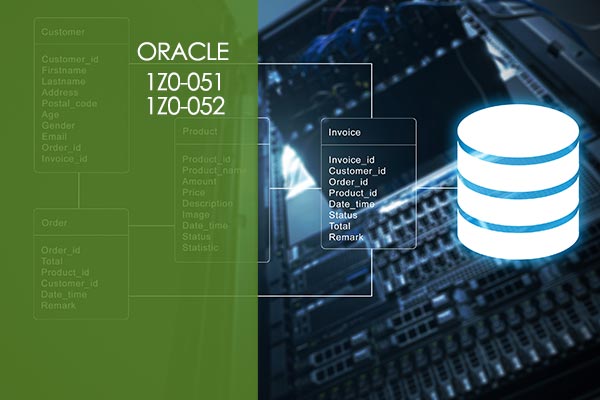
Online software courses in database management cover popular database platforms, including MySQL, PostgreSQL, Microsoft SQL Server, and Oracle. Students learn to create database schemas, write SQL queries, optimize performance, implement backups, and secure sensitive data stored in databases.
SQL courses teach Structured Query Language (SQL), which is used to interact with relational databases. These programming courses cover data retrieval, data manipulation, database design, and advanced SQL techniques. SQL skills are essential for database administrators, data analysts, and developers working with data-driven applications.
NoSQL database courses cover non-relational databases such as MongoDB, Cassandra, and Redis. These online IT courses teach when to use NoSQL databases and how to work with document stores, key-value databases, and graph databases that handle specific data types and usage patterns.
Database administration courses prepare students for DBA roles responsible for database performance, security, and availability. These IT certification courses cover backup and recovery, performance tuning, capacity planning, and database maintenance, keeping critical data systems running reliably.
Programming courses teach software development languages, coding best practices, and application development. Online software courses allow students to learn to code in languages such as Python, Java, JavaScript, and C#, through interactive coding exercises and projects.
Python programming courses teach this versatile language used for web development, data analysis, automation, and artificial intelligence. These software courses cover Python syntax, data structures, functions, and popular frameworks that extend Python's capabilities.
Web development courses teach HTML, CSS, JavaScript, and web frameworks for building websites and web applications. These online software courses cover both front-end development, which users see, and back-end development, which powers application functionality.
IT Support Specialist Training and Help Desk Courses
IT support specialist courses prepare students for help desk and technical support roles that assist users with technology issues. These IT and software courses teach troubleshooting methodologies, customer service skills, and technical knowledge needed for support positions.
Online IT courses for support specialists cover operating systems, hardware troubleshooting, software applications, networking basics, and security fundamentals. Students learn systematic approaches to diagnosing and resolving technical problems while communicating effectively with non-technical users.
Help desk training includes ticket management systems, remote support tools, and support best practices. These software courses prepare students for entry-level IT positions that provide pathways to advanced technical roles. IT support specialist certifications, such as CompTIA A+, validate competency for support positions.
Desktop support courses teach how to deploy, configure, and maintain desktop and laptop computers. These online IT courses cover Windows and macOS operating systems, hardware installation, software deployment, and endpoint security that support personnel handle daily.
Mobile device management courses cover the administration of smartphones and tablets across iOS and Android platforms. These specialized IT courses teach mobile security, application management, and enterprise mobility management systems that organizations use to secure mobile devices.
Software Development and DevOps Courses
Software development courses teach programming languages, software engineering principles, and development methodologies for creating applications. These online software courses prepare students for developer roles across web development, mobile development, and enterprise software.
Full-stack development courses cover both front-end and back-end technologies. Students learn to build complete web applications, including user interfaces, server logic, databases, and deployment. These comprehensive software courses prepare developers for versatile full-stack developer positions.
Mobile app development courses teach iOS development using Swift and Android development using Java or Kotlin. These online software courses cover mobile-specific considerations, including touch interfaces, limited screen sizes, and mobile operating system features.
DevOps courses teach practices that combine software development and IT operations. These IT and software courses cover continuous integration, continuous delivery, infrastructure-as-code, and automation tools that accelerate software deployment while maintaining reliability.
Docker and Kubernetes courses teach containerization technologies for consistently packaging and deploying applications. These specialized online IT courses cover container orchestration, microservice architectures, and cloud-native development approaches used by modern development teams.
Version control courses teach Git and GitHub for managing source code and collaborating with other developers. These fundamental software courses provide essential skills for developers across all specializations and programming languages.
Linux Administration and Open Source Software Courses
Linux administration courses teach how to install, configure, and manage Linux servers that power much of the internet infrastructure and enterprise environments. These IT certification courses cover Linux fundamentals, command-line administration, system services, and security.
Online IT courses on Linux cover popular distributions such as Ubuntu, CentOS, and Red Hat Enterprise Linux. Students learn shell scripting, user management, file systems, networking configuration, and package management through hands-on virtual labs.
Red Hat certification courses prepare students for the RHCSA and RHCE credentials, which validate Linux expertise. These professional IT courses cover enterprise Linux administration, Ansible automation, and container management using Red Hat technologies.
Linux security courses teach how to harden Linux systems, implement firewalls, configure SELinux, and secure servers against threats. These online software courses combine Linux knowledge with security practices essential for production environments.
Open source software courses cover popular open-source technologies, including the Apache web server, Nginx, MySQL, and various development frameworks. These IT and software courses teach how to leverage free, community-supported software that powers significant portions of the internet infrastructure.
Choosing the Right IT and Software Courses
Select IT certification courses and software training programs that align with your career objectives. Entry-level professionals should consider CompTIA training and IT support specialist courses that build foundational knowledge. Experienced professionals might choose specialized cybersecurity, cloud computing, or advanced networking courses.
Research which certifications employers in your target field value. Job postings often specify desired certifications, such as AWS, Cisco, or Microsoft certifications. Completing IT courses aligned with employer requirements significantly improves hiring prospects.
Evaluate online IT courses for hands-on lab components. Theoretical knowledge alone doesn't prepare students for technical work. Quality software courses include virtual labs, coding exercises, or sandbox environments where students practice skills safely.
Consider IT and software courses that include exam vouchers for certification tests. Many IT certification courses bundle training with exam attempts, reducing overall costs and streamlining the certification process.
Review instructor credentials when selecting online software courses. Instructors with current industry experience and relevant certifications provide more practical, applicable instruction than purely academic instructors.
Assess time commitments realistically. Some IT certification courses require significant study time, particularly for advanced certifications. Choose software training programs that match your available study hours and learning pace.
Frequently Asked Questions About IT and Software Courses
What are IT and software courses?
IT and software courses are educational programs that teach technical skills, including networking, cybersecurity, cloud computing, programming, and system administration. These courses prepare students for IT careers and industry certifications.
Why take online IT courses?
Online IT courses offer flexible access to technical training, including hands-on labs and certification preparation. Online software courses accommodate working professionals while providing quality instruction at a lower cost than traditional programs.
Do IT certification courses require technical experience?
Entry-level IT certification courses, such as CompTIA A+, do not require prior experience. Advanced certifications and specialized software courses may require prerequisite knowledge or certifications.
How long do IT and software courses take?
IT certification courses vary from 4-8 weeks for entry-level certifications to 3-6 months for advanced credentials. Programming and software development courses typically require 8-16 weeks, depending on depth and language.
Which IT certifications are most valuable?
CompTIA certifications provide foundational value. AWS certification shows high demand and salary potential. Cybersecurity courses leading to Security+ or CISSP offer strong career prospects. Value depends on your target IT career path.
Do employers recognize online IT courses?
Employers value IT certification courses based on the certifications earned, not the delivery method. Industry-recognized credentials from CompTIA training, AWS certification courses, or Cisco training carry the same weight whether earned online or in a classroom.
Can software courses help me become a programmer?
Programming courses teach coding skills, but becoming a professional programmer requires consistent practice and project experience. Online software courses provide foundations, but building a portfolio of projects demonstrates capability to employers.
What is the difference between IT courses and software courses?
IT courses typically cover infrastructure, networking, security, and system administration. Software courses focus on programming, application development, and software engineering. Many professionals benefit from both types of training.
Are cloud computing courses worth taking?
Cloud computing courses provide highly valuable skills as organizations migrate to cloud infrastructure. AWS certification and Azure training lead to well-compensated positions with strong growth potential.
How much do IT certification courses cost?
Online IT courses range from free introductory content to comprehensive certification programs costing several hundred to several thousand dollars. Most professional IT and software courses cost less than traditional education while providing focused, career-relevant training.
Can I get an IT job after completing online software courses?
IT certification courses combined with hands-on practice prepare students for entry-level IT positions. Completing CompTIA training or IT support specialist courses provides qualifications for help desk and support roles that lead to advanced positions.
Do cybersecurity courses require programming knowledge?
Entry-level cybersecurity courses require no programming experience. Advanced security courses and ethical hacking training benefit from scripting knowledge, but most online IT security courses teach the necessary technical skills.
Horizons Unlimited offers comprehensive IT and software courses with hands-on labs, expert instruction, and recognized IT certification preparation supporting your technical career development and professional advancement.

.png "Img Loading")